
I gave myself a deadline of June 15th to finish at least one of these blogifications of my FanimeCon panel with Jenna (who has finished up with her own blog report). And I did! But I might as well get another one knocked out before I tackle The Big One (aka 90’s lolita)
Pink House style
Right from the get-go, I’m afraid we have Problems. At some point in time, this look got mislabeled as ‘natural-kei’ in English-language communities. I feel like I kinda know how it happened (mori-kei, for instance, is solidly connected to natural-kei), but I never witnessed this myself. I hate to sound snooty, but this kinda re-affirms my…critical eye towards a lot of the Western advice on Japanese alt fashion.
Kelp, aren’t you…giving that kind of advice right now? Yes. But! I Can Read Japanese.
Anyways, for that reason, when the alt fashion experts Avina and Purestmaiden contributed a panel on this very look, they used that label, if only to quickly clarify it’s not right.
Anyways, I highly recommend starting above – they’ve really done the work for me. I’m just gonna add a few things here and there, starting with “okay but what is it called then?”
In addition to the panelists above, I’ve seen a few bloggers use the term カネコ系 kaneko-kei, after the designer Kaneko Isao. But when I tried plugging this term into the ol’ google, I found it pretty ineffective. Not only that, but pretty much every result for カネコ系 was accompanied by…you guessed it, ピンクハウス Pink House. So I’ve decided to call it “Pink House Style” in my own writings.
For anyone who is looking to get a grasp on alternative Japanese fashion magazine vibes, Pink House is also kind of the patron saint of オリーブ少女 Olive girls. Some of the captions below read: “A girly and romantic style showcased in magazines like Olive; a blouse with big frills; tiered skirt; Birkenstock shoes”.
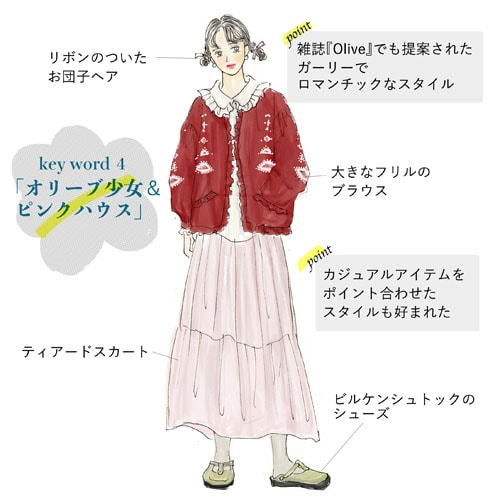
Illustration by Yabe Miyuki from this article
Justice for Natural-kei
Also, ナチュラル系 natural-kei is totally a style! Even better, it’s a style I wear! The ‘natural’ bit generally refers to two things. First is the use of ‘natural’ fabrics, like linen and cotton, although in my experience, it’s a lot of hemp. Not that there’s anything wrong with that! But I don’t think I’ve ever bought hemp fabrics in the US, whereas it pretty commonly popped up at the stores I shopped at when I lived in Kyoto. (Look for 麻 on the wash tag.) Not really sure what’s going on there…are we Yanks just dropping the ball on hemp fabrics? Anyways. Second is the ‘natural’ colors – a lot of neutrals, indigo, khaki green, et cetera.
Beyond that, there’s generally a loose fit, casual vibe, and a typical amount of layering for Japanese fashion. This blog post does a great job explaining what it is and then confusing you with all the variations, haha. I’ve linked a video below from a stylist that I think does a better job without getting deep in the weeds, but still. It’s a very broad aesthetic that readily overlaps with other styles, such as onee-kei or otome-kei, and that’s not a bug, but a feature.
Anyways, I’ve mentioned before that mori-kei is more or less widely acknowledged to be an offshoot of natural-kei, but to go back to the confusion mentioned earlier, like I said, I get it.
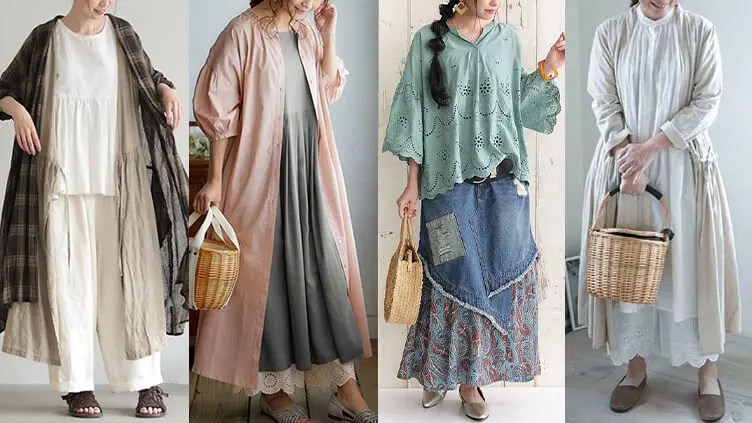
Sample coordinates from a mori girl style blog
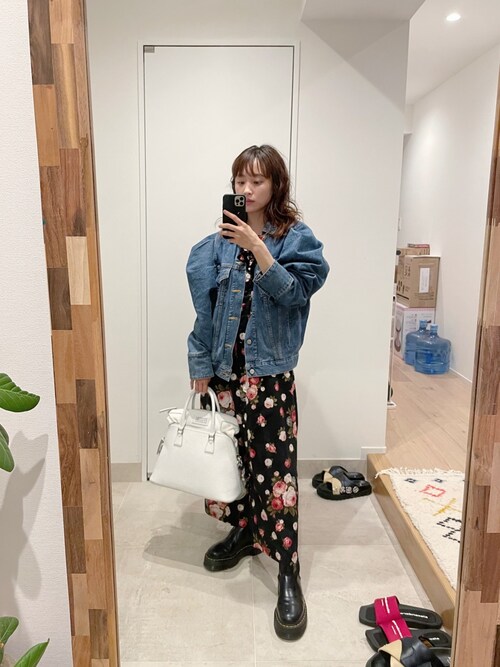
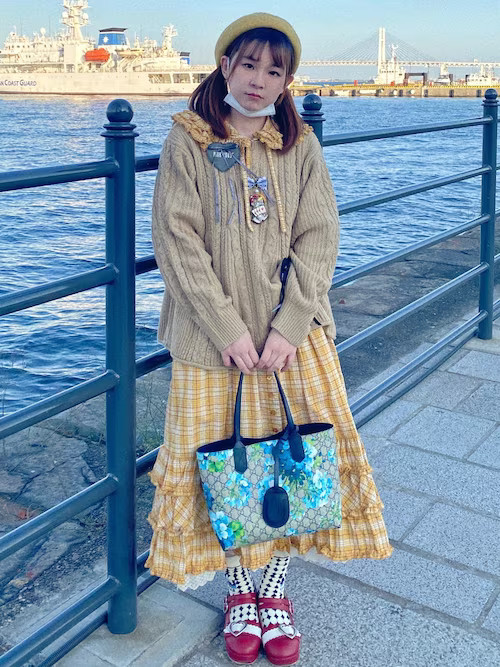
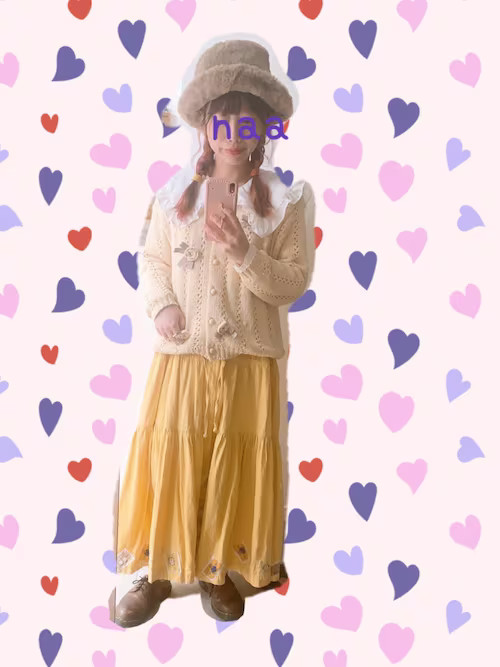
Some coordinates featuring Pink House dresses from Wear.com – 高橋愛, SpicaPlanetarium, and naa
I guess I’ll end this section with this Real Scientific Fact about Alternative Japanese Fashion: it’s (almost) always about layering. It can be about other things too, but the layering is gonna happen again and again, so layering by itself is not indicative of any one style. I’m not joking either, this is actually a scientific consensus in the literature. (It’s also why the gals don’t hang out with us- I’m kidding. I just hung out with a gal at FanimeCon. But yeah, styles like body-con are obviously not about layering.)
Back to the Task at Hand
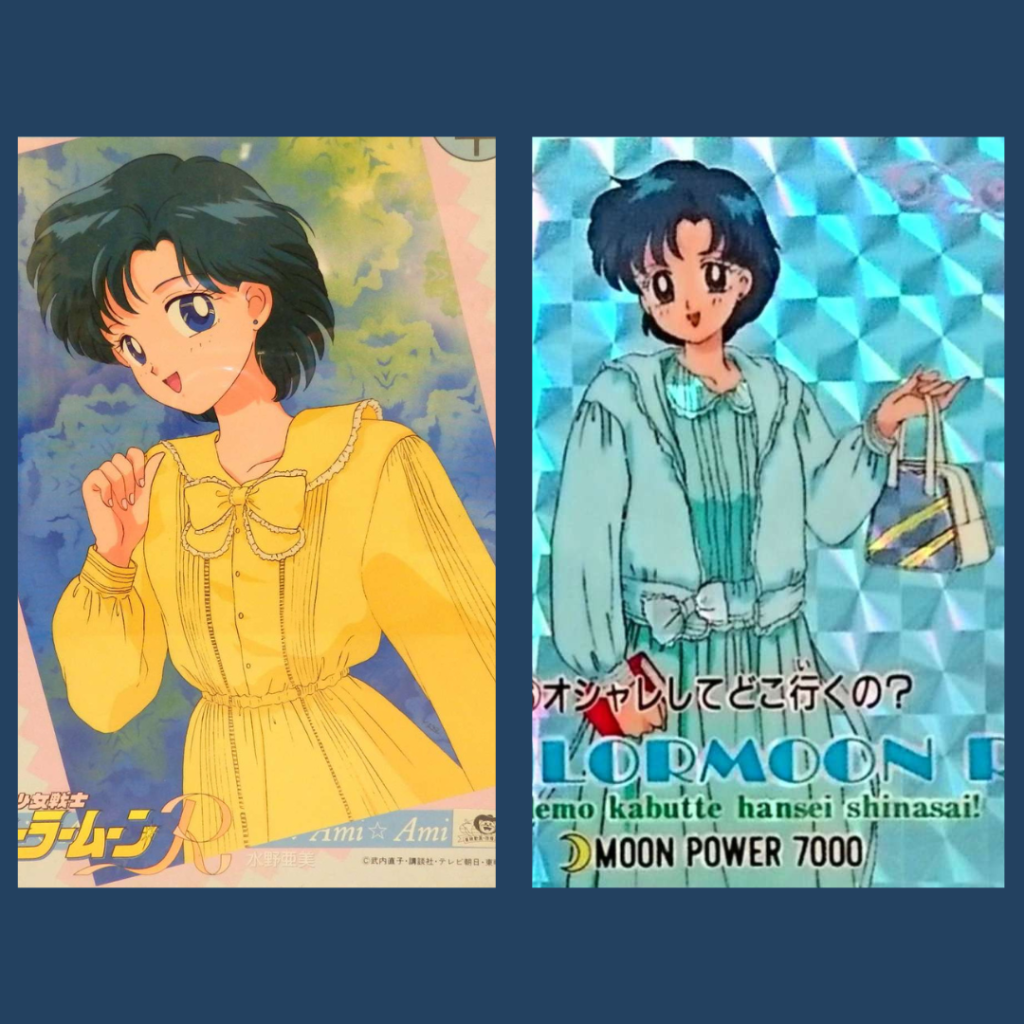
My example for this chunk of the panel was a couple character illustrations of Mizuno Ami/Sailor Mercury.
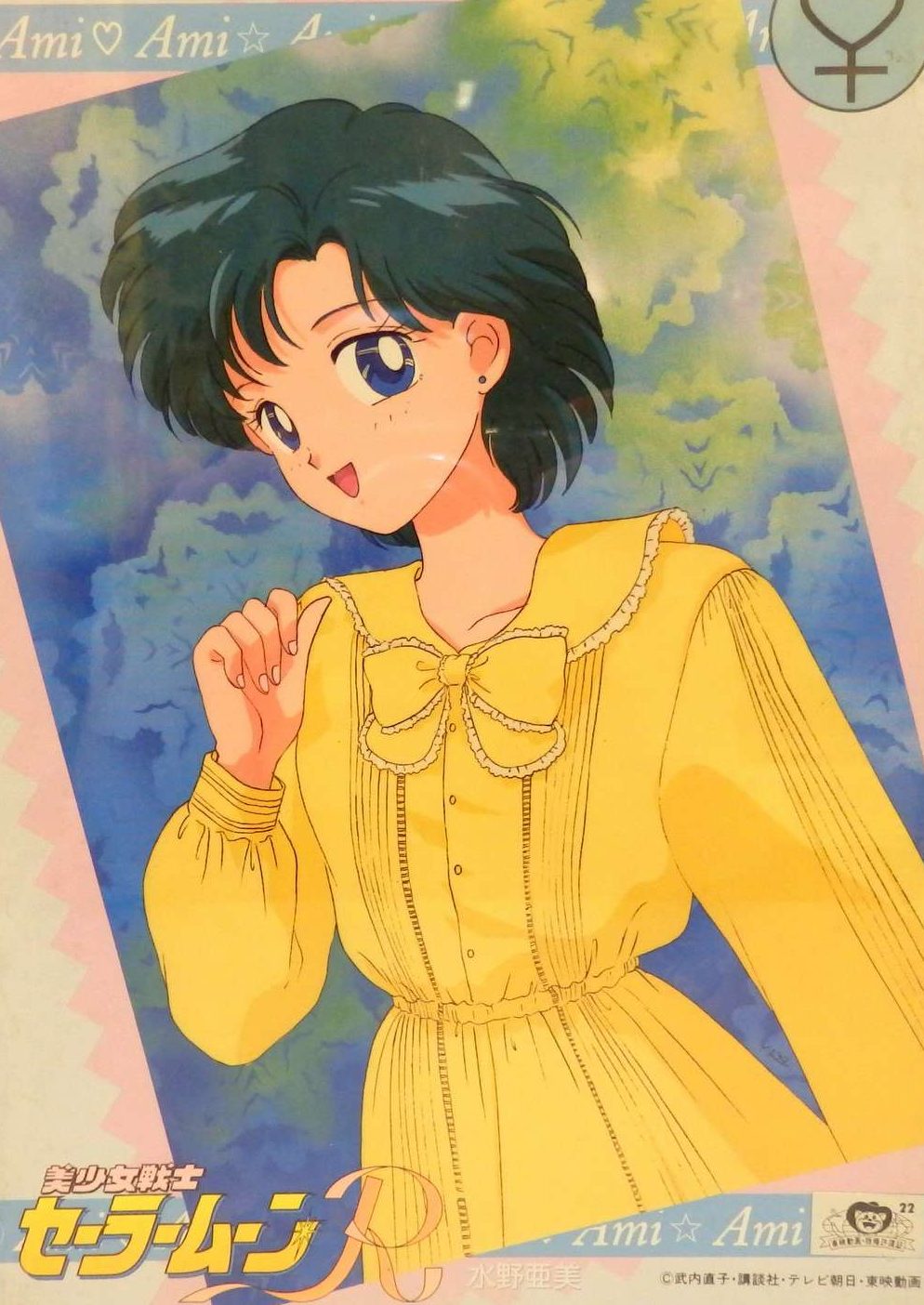
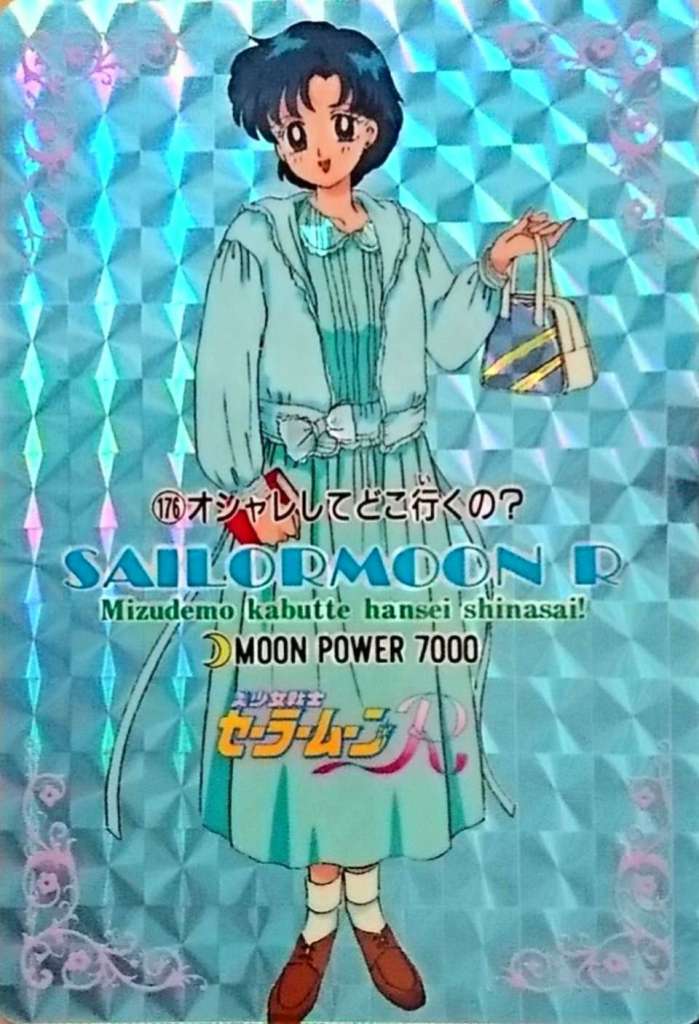
But really, characters dressed like this pop up a lot in Japanese media. Usually shy, yamato nadeshiko types. Like the Youtube panel linked above mentions, this style has been incredibly consistent for decades.
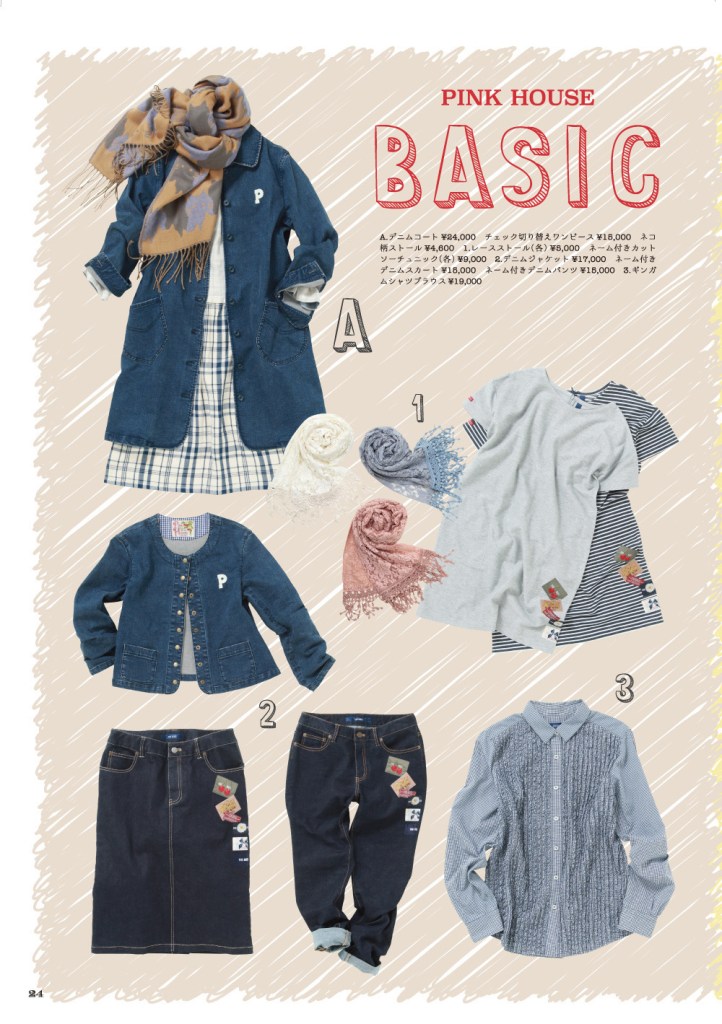
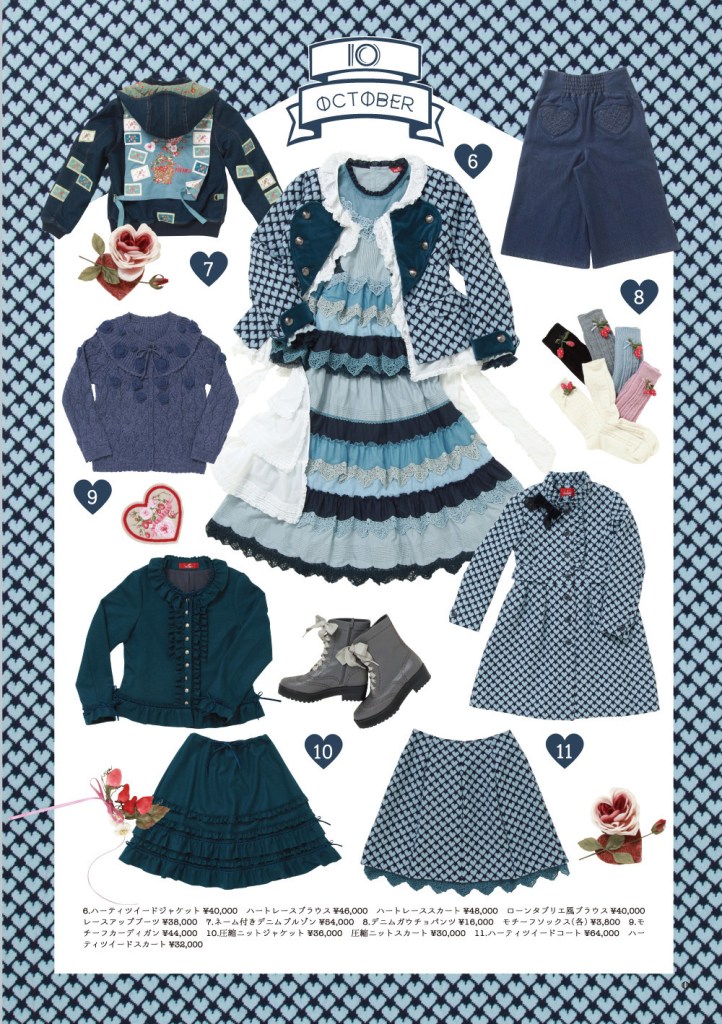
Some Mercury-themed pages from Pink House catalogs
The latest interesting development? Not a change in Pink House style, but a change in lolita style. The sweets were the last bastion of “no long skirts”, with there even being reported specific protestations that “lolita isn’t Pink House style!”, but that bulwark has busted. Now you can find Pink House-compatible, if not downright Pink House-inspired releases from multiple major Japanese lolita brands. (Also, honestly a good chunk of Physical Drop’s catalog has fit the bill for a while now. Kato Kuniko kinda ahead of the curve, surprising none of us old-litas.) Raine Dragon has an in-depth post on this development for anyone curious.
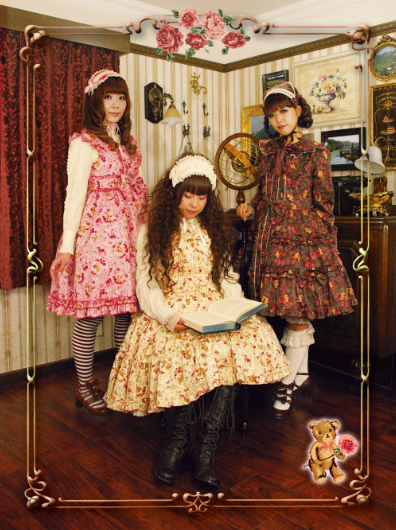
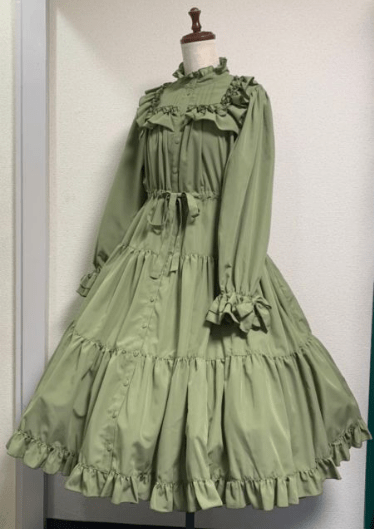
Metamorphose (left) and Physical Drop (right) with some Pink House style compatible releases
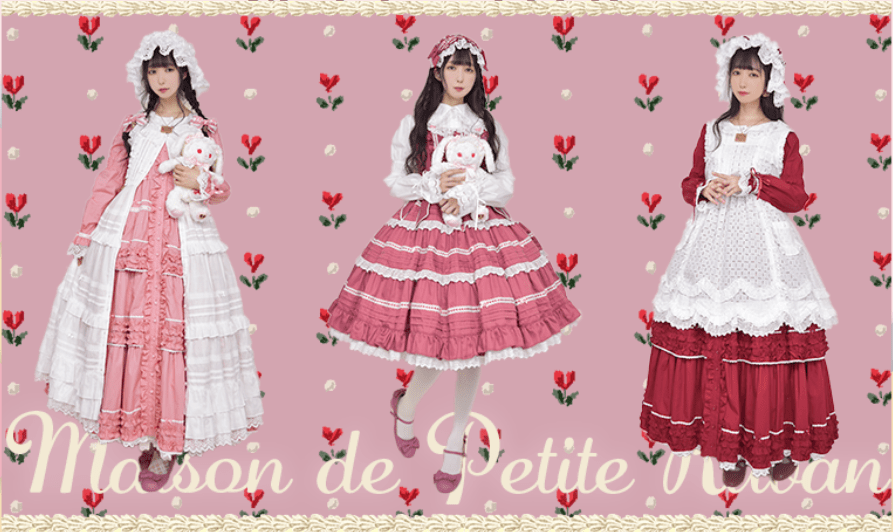
Baby, the Stars Shine Bright with an extremely Pink House release, right down to the sleeveless ‘apron’ layered over the dress on left
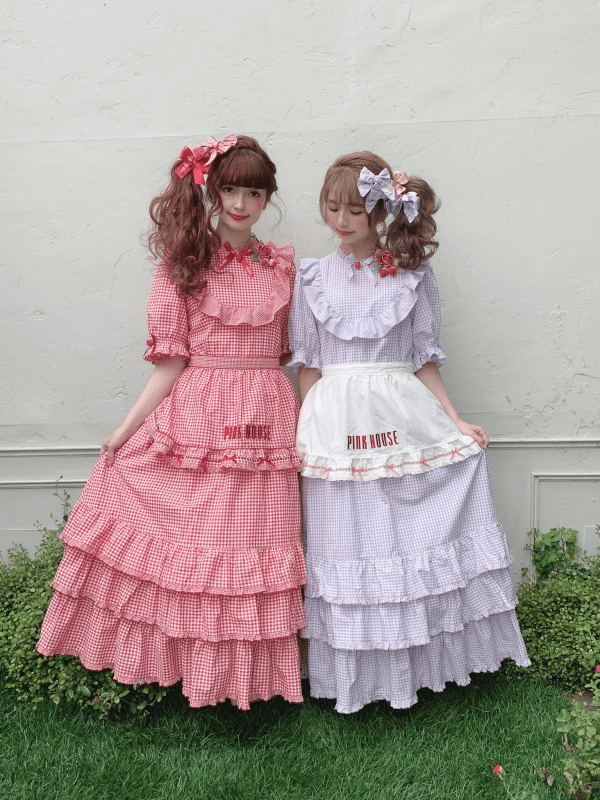
Famous old lolita Aoki Misako not only making Pink House happen, but bringing back the high-side-pony
Okay, but how do I buy this though?
The bad news is Pink House is pricey. Understandably so! That’s a lotta fabric. But don’t fret! Since Pink House has been around forever, it makes things a lot easier.
- There’s no shortage of used Pink House out there on Japanese auction sites. The prices won’t be dirt cheap (expect to still pay around 10,000 yen for a good main piece, and more for anything Special), but it’s a lot cheaper than new.
- There’s also no shortage of Pink House-esque items out there. Brands have been knocking off this vibe for decades too. Searching “Pink House” in any used clothing marketplace, like Rakuma’s Fril, should return both brand and off-brand results.
Of course, there’s also the fact that a lot of Pink House coordinates are heavily layered – one of the coords in the catalog pic has four items, minus the boots, and clocks in at around $2k, all told. But luckily, a lot of the layering can be easily achieved with stuff already in your closet. A cute jean jacket is a cute jean jacket, at the end of the day. And as you would expect, unlike the huge tiered dresses, these more basic items from Pink House sell for a lot less used.
Two down, one…very long post to go. I’ll get the last one out before the end of June, hopefully!
 kelp
kelp 